3D Layered Cross Mandala: 3D SVG Shapes for Editorial Design
In the world of digital publishing, visual hierarchy is not just an aesthetic choice; it is a functional necessity. As a blog designer and content publisher who has spent years optimizing websites for both readability and conversion, I know that the right graphic design asset can make or break reader engagement. Today, I am reviewing a specific design file that has caught my attention for its potential in faith-based and lifestyle content niches: the 3D Layered Cross Mandala. This isn't just a static image; it is a versatile 3D SVG format that offers depth, texture, and a polished look suitable for high-stakes editorial layouts.
The product description indicates that this download provides a comprehensive package: a single ZIP file containing SVG, EPS, PNG, and DXF formats with four distinct layers. For a publisher, this multi-format approach is critical. It means you are not limited to one platform or one use case. Whether you are designing for a WordPress site, creating a Canva template for your audience, or preparing printables for a lead magnet, having access to vector files alongside raster images ensures maximum flexibility.
First Impressions and Editorial Mood
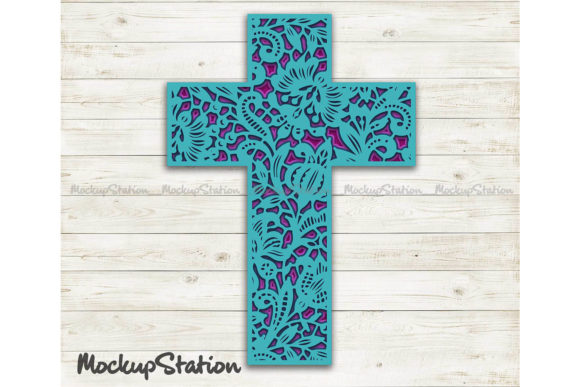
When I first loaded the preview of the 3D Layered Cross Mandala, the immediate impression was one of sophisticated elegance. The "mandala" aspect suggests symmetry and balance, while the "cross" anchors it firmly in Christian or spiritual themes. However, the "3D layered" execution prevents it from feeling flat or dated. Instead of a simple line drawing, this asset creates a sense of volume and shadow, giving it a tactile quality that draws the eye.
This design naturally supports content niches that value tradition mixed with modern aesthetics. It fits perfectly within faith-based blogs, Christian small business branding, wedding invitation designs, or even minimalist home decor sites. The mood is neither overly playful nor strictly corporate; it strikes a balance that feels professional yet inviting. For a publisher, this versatility is key. You can use this asset to signal trust and stability to your readers without sacrificing visual interest.
Real-World Publishing Applications
Let’s move beyond theory and look at how this graphic design asset integrates into a real publishing workflow. Imagine you are launching a new series on your blog about mindful living or spiritual growth. You need featured images that stand out in a crowded feed. Using the 3D Layered Cross Mandala as a background element for your article headers can instantly elevate the perceived value of your content. Because it is available as an SVG, you can scale it to any size without losing resolution, ensuring crisp visuals on high-DPI mobile screens.
Beyond standard blog posts, this asset shines in social media marketing. Pinterest is a major traffic driver for many publishers, and pins require strong visual hooks. A pin featuring the layered cross mandala, perhaps with ample negative space for your headline text, can significantly improve click-through rates. The 3D effect helps the pin pop against the often busy Pinterest interface. Similarly, for Instagram or Facebook ads, using this as a central visual element in a campaign for a digital guide or eBook cover adds a layer of professionalism that generic stock photos often lack.
For newsletter creators, consistency is everything. By incorporating this mandala into your email headers or section dividers, you build a recognizable brand identity. If you are selling digital products, such as worksheets or printable journals, this design can serve as the primary cover art. The fact that it includes DXF files also opens up opportunities for affiliate marketers who might be promoting physical crafting supplies, allowing them to create complementary visuals for their reviews.
Impact on Content Performance
Why does this specific design matter for your bottom line? In content marketing, every visual element contributes to user experience. A well-designed web design component like the 3D Layered Cross Mandala improves the overall visual hierarchy of a page. When users land on your site, they should immediately understand the tone and quality of your content. A polished graphic signals that you have invested time and care into your publication, which directly impacts reader trust.
Furthermore, consistent use of such design assets strengthens your brand identity. If you repeatedly use variations of this mandala across your website banners, category thumbnails, and social media previews, you create a cohesive visual language. Readers begin to associate that specific aesthetic with your voice. This recognition is invaluable in a saturated market. It reduces cognitive load for the viewer, making your content feel familiar and safe, which encourages longer session durations and repeat visits.
Additionally, this asset supports better categorization. On a complex blog with multiple topics, using unique visual markers for different sections helps users navigate more intuitively. If you have a dedicated "Faith & Lifestyle" category, using this mandala as a recurring motif helps users quickly identify relevant articles, improving the usability of your site.
Strategic Placement and Best Practices
To get the most out of the 3D Layered Cross Mandala, placement is crucial. It works best in hero images, article thumbnails, and editorial accents where it can breathe. Use it as a backdrop for text overlays, ensuring there is enough contrast so your headlines remain readable. For downloadable resources like PDF guides, it makes an excellent cover design, conveying value before the user even opens the file.
However, there are places where this asset should be used with caution. Small mobile thumbnails may lose the intricate details of the 3D layers, resulting in a muddy appearance. In these cases, consider simplifying the design or using the PNG version with a solid background. Avoid placing this graphic on busy layouts or low-contrast backgrounds, as it will compete with other elements rather than complement them. Furthermore, if your niche is highly technical or corporate, this decorative element might feel out of place; it is better suited for creative, lifestyle, or spiritual contexts.
Practical Publisher Notes for Implementation
Before integrating this design asset into your live site, follow these practical steps to ensure optimal performance:
- Test Across Devices: Always preview your graphics on both desktop and mobile screens. Check how the 3D effect translates on smaller displays.
- Check Contrast and Readability: Place your headline text over the graphic to ensure legibility. Use semi-transparent overlays if necessary.
- Font Pairing: Experiment with different typography. This mandala pairs well with elegant serif fonts for a traditional look, clean sans-serif fonts for a modern feel, or script fonts for a personal touch.
- File Size Optimization: Even though SVGs are lightweight, ensure your final composite images are compressed properly to maintain fast page load times, which is critical for SEO.
- Licensing Verification: Confirm the commercial license terms. If you are using this on monetized websites, affiliate pages, or paid content products, ensure you have the right to use the commercial design asset without legal issues.
In conclusion, the 3D Layered Cross Mandala is more than just a pretty picture; it is a strategic tool for enhancing editorial design and web presence. By leveraging its multi-format capabilities and thoughtful aesthetic, publishers can create more engaging, trustworthy, and visually compelling content that resonates with their audience.