3D Low Poly Papercraft Cat Model Review for Embroidery Projects
As an experienced embroidery designer and product reviewer, I always approach new machine embroidery designs with a critical eye—especially when they’re intended for real-world use in custom apparel or handmade products. The 3D Low Poly Papercraft Cat Model caught my attention not just because of its modern aesthetic, but also due to the thoughtful structure it offers for creative entrepreneurs and hobbyists alike. Here's how this design stacks up after testing it on various handmade shop items, including tote bags, sweatshirts, and even baby clothes.
A Unique Look That Stands Out
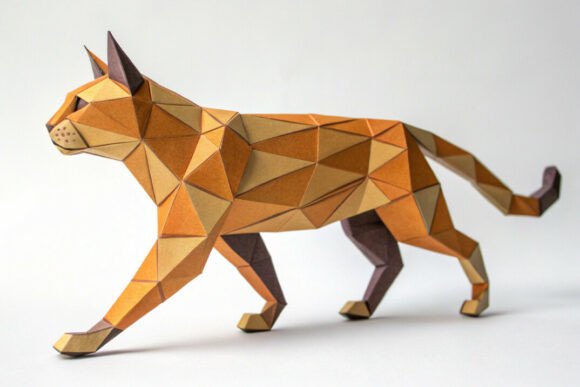
The first thing that hits you about the 3D Low Poly Papercraft Cat Model is its geometric charm. It brings a stylized, almost architectural feel to the table with its low poly shape and subtle 3D depth. This isn’t your average cat illustration—it’s fresh and has a distinct visual personality that leans into modern minimalism and pop art. The layered, angular look makes it feel like a papercraft sculpture translated onto fabric through stitch lines.
What stands out most is the balance between detail and simplicity. It avoids overwhelming the viewer while still offering enough structure to be visually engaging. This kind of embroidery file naturally fits into lifestyle-oriented projects such as holiday gifts, boutique branding, or even personalized home décor. If you're looking to add something unique to your Etsy listings or craft fair products, this design could be a strong contender.
Performance in Real-World Embroidery Applications
I tested the 3D Low Poly Papercraft Cat Model across several common embroidery applications to see how well it translates from digital to physical. On a cotton-polyester blend sweatshirt, the design stitched cleanly with a mix of satin stitch outlines and fill stitch areas. The structured shapes helped define the cat’s form without requiring too much thread consumption, which is great for keeping costs down in a craft business.
- Tote Bag Design: The model looked fantastic on a canvas tote bag. The bold lines gave it a strong graphic presence, making it ideal for a custom apparel item aimed at younger audiences or those who appreciate quirky style.
- Baby Clothes: While the design is cute, the sharp angles didn’t quite match the softness typically expected in baby embroidery. However, with some tweaks to soften the edges or scale it down, it could work well for a modern nursery decor piece.
- Embroidered Patch: This design performed surprisingly well when converted into a patch format. The clean layers made it easy to separate sections for cutting, and the overall layout allowed for a neat and professional finish.
- Sweatshirt Embroidery: Stitching on a thicker fabric worked well, especially with proper stabilizer backing. The contrast between the thread colors was maintained, and the stitch density felt appropriate for a mid-sized hoop.
For holiday gifts and personalized products, the 3D effect adds a layer of sophistication that can elevate a simple item into something memorable. It’s also versatile enough to be used in both black-and-white formats (for monochrome themes) and full color, depending on the project’s needs.
Where to Use With Caution
While the 3D Low Poly Papercraft Cat Model shines in many contexts, there are certain limitations to consider before using it on delicate or unconventional surfaces:
- Small Hoop Sizes: The design might need scaling if you plan to fit it into smaller hoops. Without adjusting the stitch density accordingly, details may get lost.
- Textured Fabrics: Stitch clarity diminishes on fabrics like denim or flannel unless you prep them with a suitable stabilizer.
- Thin or Stretchy Fabric: The layered nature of the design requires support to avoid puckering or distortion. Always test it on a sample before mass production.
- Dark Fabric Backgrounds: Thread visibility becomes a challenge here. Opt for white or light-colored threads to maintain the design’s vibrancy.
- Curved Surfaces: Embroidering on a cap or curved garment surface may cause some misalignment in corners. A flat surface is best for showcasing the intricate geometry.
- Frequent Wash Items: Because of the layered stitching and potential for higher stitch density, frequent washing may lead to wear over time. Consider using more durable materials or reinforcing key areas.
Visual Appeal and Professional Presentation
One of the biggest strengths of the 3D Low Poly Papercraft Cat Model is its ability to create a sense of professionalism and uniqueness in your finished product. The angular shapes and 3D-like shadows give it a contemporary edge, which appeals to customers who want something different from traditional floral or animal motifs.
It also enhances the product value subtly. When applied to a tote bag or apron, the design feels intentional and high-quality, which can boost customer trust and justify a slightly higher price point. For handmade product sellers, this level of visual interest can help differentiate their offerings in a crowded market.
From a branding perspective, the design’s consistency in shape and structure makes it a good candidate for creating a cohesive line of design assets. You could pair it with other low poly animals or elements to build a recognizable theme across your small shop product range.
Design Notes for Practical Application
Here are some practical tips I picked up while working with the 3D Low Poly Papercraft Cat Model:
- Test First: Always stitch the design on scrap fabric to check for any issues with hoop size or stitch behavior.
- Review Thread Contrast: Make sure your chosen thread colors stand out against the fabric background. Dark fabrics may require brighter hues.
- Inspect Small Details: The design includes some fine lines and shaded areas. Ensure these aren't too dense or small for your machine to handle accurately.
- Use Proper Stabilizer: Especially on stretchy or thin materials, a tear-away or cut-away stabilizer will help keep stitches crisp and prevent distortion.
- Confirm Licensing: Before selling finished items or digital versions, double-check the licensing terms to ensure you're compliant with commercial usage rights.
These considerations help ensure that your final embroidered product looks as good as it did in the printable mockup version you previewed online.
Final Thoughts for Embroidery Designers and Makers
The 3D Low Poly Papercraft Cat Model is a standout embroidery graphics asset for designers who want to bring a fresh concept into their crafts portfolio. Its appeal lies in its versatility and the way it adapts to multiple embroidery projects, from casual apparel to decorative home goods.
However, it's important to remember that not every project is a perfect match. If you're planning to embroider on a thin fabric or place it in a high-motion area of clothing, adjustments may be necessary. Similarly, for commercial embroidery or digital product sales, always verify the file compatibility and licensing information provided with the digital embroidery file.
Overall, this design has a clear visual identity and can make a strong impression in the right context. Whether you're an apparel decorator or an embroidery product seller, the 3D Low Poly Papercraft Cat Model is worth considering for your next personalized gift or craft business venture—if used thoughtfully and with care for technical requirements.