Easter Bunny 3D SVG Pop-Up Card for Festive Branding
As a brand designer with years of experience working on local business identities, I recently reviewed the Easter Bunny 3D Pop Up Card SVG to evaluate its potential in real-world branding and packaging scenarios. The design is immediately eye-catching—its playful 3D structure and charming illustration evoke a warm, family-friendly vibe that’s perfect for seasonal promotions. This graphic design asset feels like it was crafted for businesses aiming to infuse personality into their Easter offerings, whether through product packaging, promotional materials, or digital campaigns.
A Festive Yet Versatile Illustration for Small Business Branding
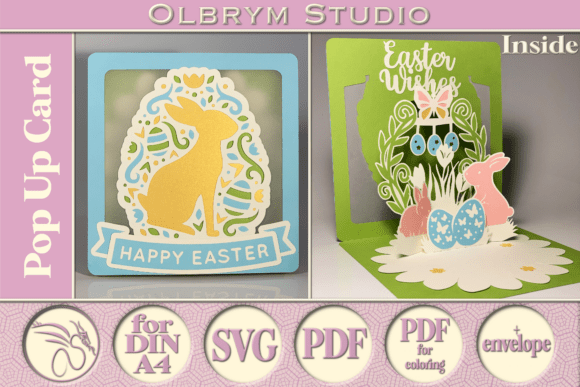
The Easter Bunny 3D Pop Up Card SVG features bunnies nestled on a green lawn under an arch, engaged in an egg hunt. It's not just a card—it’s a mood booster. The soft pastel tones and whimsical details give off a sense of warmth and joy, making it ideal for brands targeting a more organic, handmade, or boutique aesthetic. For small businesses such as a local bakery or a children’s product line, this illustration can serve as a central element in holiday-themed marketing visuals, helping to build stronger emotional connections with customers during the Easter season.
While the style is undeniably festive, it also maintains enough subtlety to work across different mediums. It doesn’t scream “holiday” in an over-the-top way but instead invites a cozy, personal touch that aligns well with handmade businesses and seasonal product campaigns. Its 3D pop-up nature makes it especially compelling when printed, adding depth and interactivity to physical items like thank-you cards or gift tags.
Practical Applications in Packaging and Promotional Materials
One of the key strengths of this SVG is its adaptability. As a brand designer, I often look for assets that can be used both digitally and physically without losing quality. The Easter Bunny 3D Pop Up Card SVG shines here. Here are some ways it could enhance your small business branding:
- Product Labels & Packaging Design: Incorporate the bunny illustration as a subtle accent on Easter-themed packaging, such as cookies, candies, or bath products. It adds a decorative flair while maintaining readability.
- Hang Tags & Thank-You Cards: Use it as a hero graphic on custom hang tags for boutique shops or as part of a thank-you card for customer appreciation. The 3D aspect can make these inserts feel more premium and thoughtful.
- Social Media Graphics: Create engaging posts by using the SVG as a background or overlay in Canva templates. Pair it with clean typography and brand colors to maintain visual hierarchy while celebrating the season.
- Promotional Banners & Flyers: The Easter Bunny illustration can anchor a seasonal flyer or website banner, drawing attention and setting the tone for a campaign.
- Printable Inserts: Add it to printable inserts inside product boxes or as a standalone Easter greeting card. It works particularly well when paired with stamps, watercolor textures, or hand-drawn elements.
Enhancing Visual Hierarchy and Brand Recognition
Incorporating the Easter Bunny 3D Pop Up Card SVG into your brand identity can help reinforce your message at a glance. The illustration naturally becomes a focal point, which is great for creating clearer visual hierarchy in designs. Whether you're crafting a product label for a new line of artisanal chocolates or designing a poster for a spring sale, this asset helps guide the viewer’s eye and supports the overall theme of celebration and community.
For local businesses like coffee shops or florists, using this SVG consistently across all Easter-related content can boost brand recognition. Customers will start to associate the image with your brand’s commitment to quality, care, and seasonal engagement. That’s a powerful tool in small business branding, especially in tight-knit communities where visual consistency builds trust and familiarity.
Design Considerations for Real-World Use
Before implementing any design asset, especially in commercial contexts, there are practical steps every brand designer should take. With the Easter Bunny 3D Pop Up Card SVG, consider the following:
- Test on Real Packaging Mockups: See how the design looks on actual product boxes or cards. Does it scale well? Is the 3D effect still visible when printed?
- Check Black and White Usage: If your design needs to be grayscale for certain print runs or online use, ensure the illustration remains legible and visually appealing.
- Preview on Small Labels: Will the bunny graphic fit nicely on a mini label or sticker? Sometimes intricate SVGs lose clarity when shrunk down.
- Test with Brand Colors: Overlay the design on your brand color palette to see if it complements or clashes. This step ensures a cohesive look across all materials.
- Review PNG Transparency: If you plan to use the design on transparent backgrounds, confirm that the PNG version has clean edges and no unwanted artifacts.
- Inspect SVG Editability: Since it's an SVG, check if layers are separated so you can adjust individual components for customization purposes.
- Confirm Commercial Licensing: Always verify that the design includes a commercial license before using it in client work or for selling physical products.
- Compare with Competitor Packaging: Evaluate how your proposed design stacks up against similar offerings in your niche to ensure it stands out positively.
- Font Pairing Test: Try placing the illustration beside various font styles—serif, sans serif, script, handwritten, and display fonts—to find the most harmonious combination for your brand voice.
Where This Asset Truly Shines
After testing and evaluating the Easter Bunny 3D Pop Up Card SVG, I found it excels in several specific applications:
- Boutique Store Packaging: Ideal for wrapping paper accents or gift box seals that reflect a personal and joyful brand personality.
- Hero Graphics for Spring Campaigns: Works beautifully as a background or header image for limited-time offers or seasonal web banners.
- Decorative Brand Elements: Adds a nice touch to editorial design, such as newsletters or blog headers, reinforcing a festive yet professional tone.
- Thank-You Card Designs: Especially effective when printed as a pop-up card due to its interactive 3D appeal.
- Handmade Product Mockups: Perfect for showcasing soap bars, candles, or toys in digital mockups that emphasize craftsmanship and attention to detail.
- Seasonal Web Design: A great addition to landing pages or email templates promoting Easter sales or events.
When to Use It Carefully
Though versatile, this design isn't suitable for every project. As a seasoned designer, I recommend using it carefully in the following situations:
- Formal Corporate Branding: The playful nature may not align with a more serious or minimalist brand identity.
- Crowded Product Packaging: Avoid using it in layouts with too much text or graphics, as it can overwhelm the visual space.
- Ingredient-Heavy Layouts: In food or skincare product labels where readability is critical, let the bunny graphic sit in the background rather than dominate the front.
- Low-Contrast Backgrounds: The illustration may become less visible if placed on very light or patterned surfaces.
- Luxury Minimalist Brands: While the design is elegant in many ways, its complexity might not suit ultra-simplified luxury aesthetics.
Final Thoughts for Creative Entrepreneurs
Overall, the Easter Bunny 3D Pop Up Card SVG is a strong contender for small business owners looking to add a seasonal touch to their branding and packaging. It brings a sense of charm and professionalism that’s hard to achieve with generic clipart. Whether you’re designing for a local flower shop or a home decor brand, this asset can elevate your marketing visuals and help create a memorable first impression.
Ideally, integrate this design early in your Easter planning cycle. It allows time for adjustments and ensures your packaging and promotional materials stand out during a competitive season. When used thoughtfully, it supports better shelf appeal, improved customer trust, and a more consistent brand identity across multiple channels.
Remember, the best design assets aren’t just about looking good—they need to perform in real business environments. This one passes the test, provided you apply it with the right context and creative strategy.