Review: Fall Pumpkin 3D Shadow Box Embroidery
As a designer who spends more time than I care to admit staring at stitch charts and testing thread tension, I approach every new machine embroidery design with a mix of hope and skepticism. The market is flooded with seasonal motifs, but few manage to balance aesthetic charm with technical feasibility. That is exactly why I decided to put the Fall Pumpkin 3D Shadow Box through its paces. This isn’t just another generic pumpkin graphic; it is a layered, square paper cutting template that promises depth and dimension. But does it translate well from a digital preview to a physical embroidery project? After analyzing its structure and visual personality, here is my honest evaluation for crafters, small business owners, and serious hobbyists.
First Impressions: Mood and Visual Personality
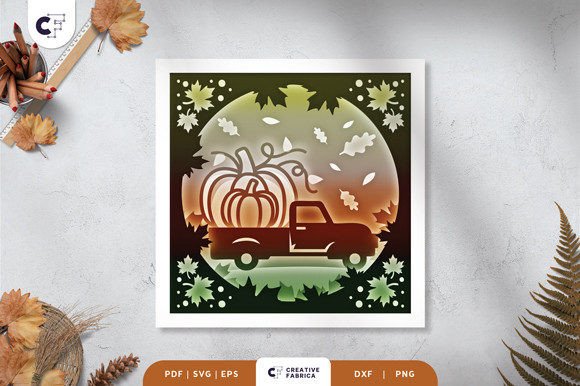
The immediate appeal of the Fall Pumpkin 3D Shadow Box lies in its structural complexity. Unlike flat designs that rely solely on color changes, this piece uses layering to create a sense of space. When you look at the layout, it evokes a cozy, rustic autumn atmosphere. It feels less like a simple holiday decoration and more like a curated art piece. For designers, this distinction matters because it elevates the perceived value of the final product.
The square format is particularly smart. In a world dominated by circular or organic shapes, the geometric stability of a shadow box design offers a modern contrast to traditional harvest themes. It creates a mood that is both playful and sophisticated. This versatility allows it to fit seamlessly into various niches, from high-end boutique home decor to casual handmade gifts. The visual personality suggests warmth and craftsmanship, qualities that resonate strongly with customers looking for authentic, handmade products.
Real-World Application: Where Does It Shine?
I evaluated how this embroidery file performs in practical scenarios, focusing on items that have strong commercial potential. The design’s layered nature makes it an excellent candidate for larger surface areas where detail can breathe.
- Custom Apparel: On a heavy cotton sweatshirt or a structured tote bag, the shadow box effect stands out. The depth created by the layers catches light differently than flat fill stitches, giving premium apparel a distinctive touch. It works beautifully as a central chest logo or a back print for fall collections.
- Home Decor: Pillow covers and kitchen towels are natural homes for this design. Because the theme is seasonal, it has a high turnover rate in the autumn months. A well-executed embroidered patch or direct-to-garment application on a linen pillow cover can command a higher price point due to the intricate detail.
- Baby Items: While pumpkins might seem too bold for nursery decor, the soft, rounded shapes within the shadow box can be adapted for baby blankets or bibs. However, this requires careful consideration of scale and color palette to ensure it remains gentle and appropriate.
- Holiday Gifts: Personalized gifts are a massive market. Imagine a custom apron for a hostess gift or a monogrammed tea towel set. The Fall Pumpkin 3D Shadow Box adds a festive flair without being overly cliché, making it a strong choice for personalized gift offerings on platforms like Etsy.
Technical Considerations and Stitch Execution
From a technical standpoint, the success of this design hinges on execution. The term "3D" in the title implies depth, which in embroidery often translates to specific stitch types and density management. Designers should anticipate a mix of satin stitches for outlines and fill stitches for the main body. The key challenge is maintaining clarity in the smaller details.
When digitizing or preparing to stitch, pay close attention to the stitch density. If the layers are too dense, the fabric may pucker, ruining the clean lines of the shadow box effect. Conversely, if the density is too low, the design will look sparse and lose its dimensional impact. I recommend checking the underlay stitches carefully; they are crucial for stabilizing the base layers before the top details are applied.
Thread selection plays a pivotal role here. To achieve the true "shadow box" look, you need high contrast between the layers. Using threads that are too similar in tone will flatten the image. Experimenting with metallic or variegated threads for the outer layers can enhance the 3D effect, provided they do not compromise the machine’s ability to pull the thread smoothly.
Where to Use With Caution
No design is universal, and the Fall Pumpkin 3D Shadow Box has limitations. It is not suitable for every situation. Avoid using this on small hoop sizes where the intricate layers might become muddy or indistinguishable. Similarly, textured fabrics like bouclé or thick chenille can obscure the fine details of the shadow box, leading to a messy finish.
Stretchy fabrics pose another risk. Without proper stabilization, the tension required for detailed stitching can distort the garment, especially around curved surfaces like caps or hats. Dark fabrics can also be tricky; while they offer great contrast, they require precise thread coverage to prevent the base fabric from showing through gaps in the design. Additionally, if your product needs frequent washing, such as work aprons or children’s clothing, consider whether the delicate details will hold up over time. Reinforced edges and quality thread choices are non-negotiable for durability.
Impact on Brand and Customer Perception
For Etsy sellers and small shop product creators, the difference between a good design and a great one is often what drives customer trust. A cleanly stitched Fall Pumpkin 3D Shadow Box signals professionalism. It shows that you care about the details, which translates to buyer confidence. When customers see a design that holds its shape and looks intentional, they are more likely to perceive the item as a high-value purchase rather than a mass-produced commodity.
This design also enhances brand consistency. If your brand focuses on rustic, artisanal aesthetics, this motif aligns perfectly. It helps in creating a cohesive collection, whether you are selling digital embroidery files or physical goods. The recognition factor is high during the autumn season, allowing your products to stand out in crowded marketplaces.
Practical Designer Notes Before You Stitch
Before committing to a full production run, follow these essential steps to ensure success:
- Test on Scrap Fabric: Always stitch a test version on the exact fabric and stabilizer you plan to use. This reveals issues with tension or registration early.
- Check Thread Contrast: Review your thread colors against the fabric background. Ensure there is enough contrast for the shadow layers to be distinct.
- Inspect Small Details: Zoom in on the digitized file. Are the tiny elements too small to stitch clearly? If so, consider simplifying the design for smaller applications.
- Verify Hoop Size: Confirm that your machine’s hoop size accommodates the full dimensions of the design without requiring re-hooping, which can misalign the layers.
- Use Proper Stabilizer: The weight of the stabilizer should match the fabric. Heavy cut-away stabilizers are often necessary for dense, multi-layered designs to prevent distortion.
- Confirm Licensing: If you intend to sell finished items, double-check the licensing terms. Ensure you have the right to use this design assets for commercial purposes.
In conclusion, the Fall Pumpkin 3D Shadow Box is a versatile and visually striking option for designers looking to add depth to their fall collections. By paying attention to technical details and choosing the right applications, you can create stunning finished product pieces that delight customers and boost your craft business. It is a design that rewards patience and precision, offering a tangible return on investment for those who master its execution.