Tiger 3d Shadow Box Template: A Designer’s Review for Modern Content
In the world of digital publishing, visual hierarchy is not just an aesthetic choice; it is a functional necessity. As a blog designer and digital publisher who has spent years refining editorial layouts and optimizing content for conversion, I approach every graphic design asset with a critical eye. We are not merely decorating pages; we are building trust, guiding the reader’s eye, and creating a seamless experience that encourages engagement. Today, I am reviewing the Tiger 3d Shadow Box Template, a versatile design element that promises to elevate the visual quality of websites, newsletters, and social media campaigns.
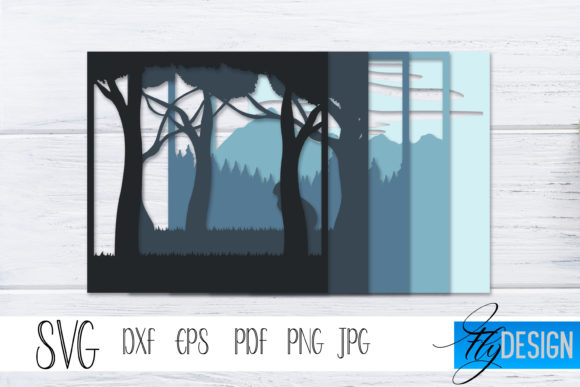
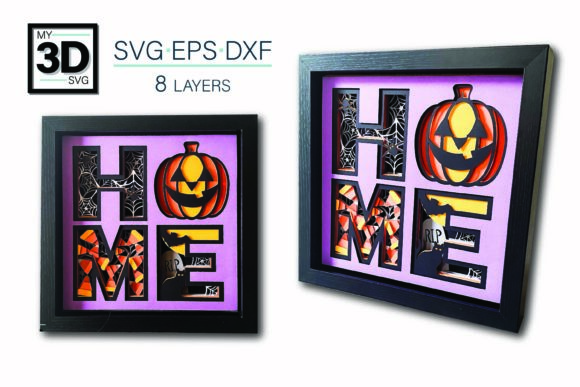
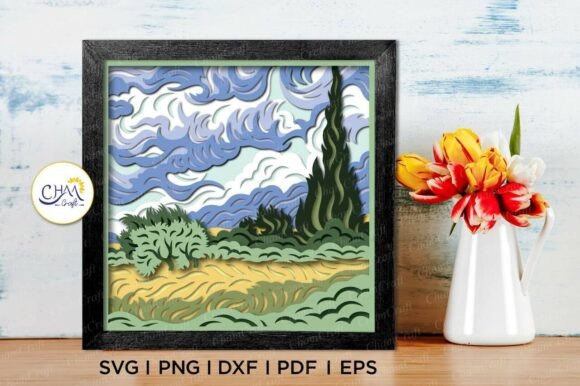
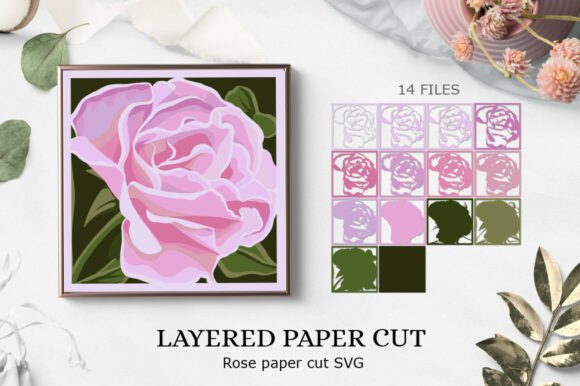
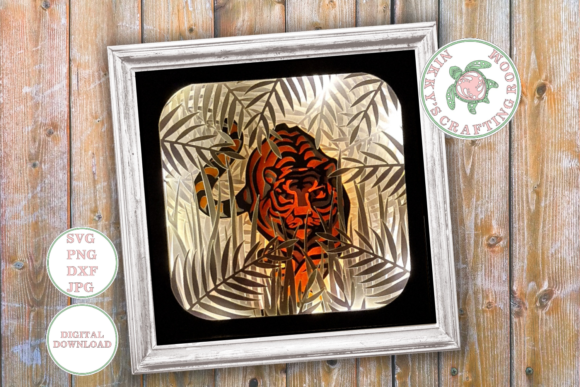
The first impression of this template is one of depth and dimensionality. In an era where flat design dominates, a well-executed 3D element can break through the noise. The Tiger 3d Shadow Box Template creates a specific editorial mood that feels both modern and tactile. It suggests a lifestyle-focused or creative niche, leaning towards artistic, playful, yet polished aesthetics. Whether you are running a small business branding page, a creative entrepreneur’s portfolio, or a content marketing hub, this asset adds a layer of sophistication that plain vector shapes often lack. It does not scream for attention but rather invites the reader to look closer, which is exactly what we want in high-quality web design.
Integrating Depth into Editorial Workflows
When I evaluate a new design tool for my publishing workflow, I ask myself: "Where does this fit?" The Tiger 3d Shadow Box Template is incredibly adaptable. It is not limited to a single use case. For instance, when preparing featured images for a long-form article, adding a subtle shadow box effect can create a focal point that draws the eye directly to the headline. This supports stronger first impressions and clearer visual hierarchy, two pillars of effective content marketing.
Beyond the blog post itself, this asset shines in promotional materials. Imagine using it for Pinterest pin designs. Pinterest is a highly visual search engine where click-through rates depend heavily on image appeal. A 3D element provides the pop needed to stand out in a feed of static images. Similarly, for newsletter graphics, a shadow box can frame your call-to-action buttons or highlight key takeaways from your weekly digest. It transforms standard text blocks into engaging social media graphics that feel premium and intentional.
Furthermore, for those creating downloadable resources, such as digital guides, worksheets, or lead magnets, this template offers significant value. A printable design that incorporates 3D elements feels more substantial and valuable to the user. When a reader downloads a resource that looks professionally designed, their perception of its worth increases. This directly impacts the success of your affiliate marketing efforts, as higher perceived value leads to better conversion rates on recommended products.
Technical Usability for Digital Publishers
As a publisher, time is our most scarce resource. The technical specifications of a design asset are just as important as its aesthetic appeal. The Tiger 3d Shadow Box Template comes in a convenient package that respects the workflow of busy creators. The zipped file contains SVG, PNG, DXF, JPG, and additional SVG files, ensuring compatibility across various platforms. This variety means you can use the vector format for crisp scaling in web headers or the raster formats for quick insertion into email marketing tools.
One of the most practical features is the organization of the layers. The files are done in a one-click upload format with all the layers grouped together to save you time. This structure is crucial for maintaining consistency across your brand identity. If you need to adjust the size or color scheme, having the layers pre-grouped allows for rapid editing without breaking the design integrity. To resize the SVGs, simply keep the layers grouped together, which ensures proportional scaling and prevents distortion. This level of usability makes it an ideal choice for Canva templates or any drag-and-drop editor where efficiency is key.
Strategic Placement and Visual Impact
To maximize the effectiveness of the Tiger 3d Shadow Box Template, strategic placement is essential. It works best in areas where you want to emphasize importance or create a visual anchor. Hero images are a prime candidate, as they set the tone for the entire page. Article thumbnails benefit from the added depth, making them more clickable in search results and social feeds. For category visuals, using this template consistently can establish a recognizable pattern that aids in site navigation and brand identity reinforcement.
However, not every context is suitable for a bold 3D element. There are scenarios where caution is advised. Small mobile thumbnails may lose detail if the shadow box is too complex, leading to a muddy appearance on smaller screens. Text-heavy blog images might become cluttered if the graphic competes with the copy for attention. Additionally, low-contrast backgrounds can make the shadow effect disappear, reducing its impact. In serious professional niches, such as corporate legal or financial services, a playful tiger theme might undermine the authority of the content. In these cases, a more minimal visual system is preferable.
Practical Publisher Notes for Implementation
Before integrating this asset into your live projects, there are several technical checks every publisher should perform. First, test the design on both desktop and mobile screens. What looks balanced on a large monitor might feel overwhelming on a smartphone. Check how it renders as a thumbnail in various contexts, including social media previews and email clients.
Previewing the asset inside a real blog layout is also crucial. Does it clash with your existing color palette? How does it interact with your typography? Place the shadow box beside different font styles—serif, sans-serif, script, handwritten, and display fonts—to ensure harmony. Typography pairing is a nuanced skill, and seeing the graphic next to actual content will reveal potential conflicts early.
Readability and contrast are non-negotiable. Ensure that any text overlaid on or near the shadow box maintains sufficient contrast for accessibility standards. Try viewing the design in black and white to check its structural integrity without relying on color. Finally, review the file size for web performance. Large files can slow down page load times, which negatively affects SEO and user experience. Compress images properly using tools optimized for the web, and confirm your commercial licensing before using the asset on monetized websites, affiliate pages, or paid content products. Ensuring you have the right commercial license protects your business and allows you to leverage the asset fully in your creative design projects.
Conclusion for the Modern Creator
The Tiger 3d Shadow Box Template is more than just a decorative element; it is a tool for enhancing editorial quality and reader engagement. By providing depth, professionalism, and versatility, it supports the goals of bloggers, designers, and digital marketers who strive for excellence in their visual communication. Whether you are updating your website header, creating eye-catching Pinterest pins, or designing high-value lead magnets, this asset offers the flexibility and polish needed to succeed in today’s competitive digital landscape. For those looking to refine their small business branding or elevate their online educators materials, incorporating this 3D SVG into your toolkit is a smart, strategic move.